

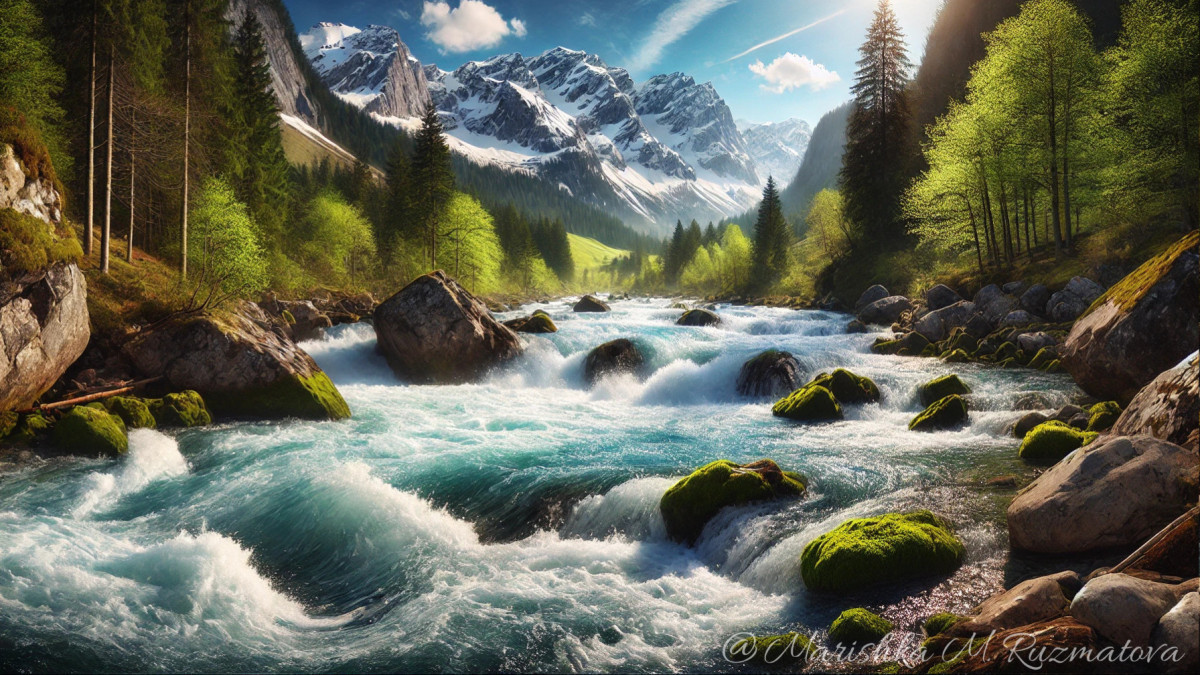
The Almaty Mountain Resort Area has become Kazakhstan’s most visited tourism destination. According to Energyprom, an increasing number of Kazakhstanis are choosing mountain destinations for their summer holidays, El.kz reports.
Beach tourism in Kazakhstan continues to be primarily associated with Lake Alakol, the Burabay Resort Area, and the Kapshagay Reservoir. However, accommodation statistics indicate that mountain destinations have surpassed these traditional resorts in terms of the number of visitors served.
During the first quarter of 2026, over 509,000 visitors stayed in the Almaty Mountain Resort Area. This figure includes guests accommodated in hotels, recreation centres, health resorts, guesthouses, and other officially registered accommodation establishments.
Almaty mountain resorts outperform other tourism destinations
Shchuchinsk–Burabay Resort Area, whose accommodation establishments served approximately 117,000 visitors during the same period. As a result, the gap between the leading destination and the runner-up exceeded a fourfold difference.
The Mangystau, Turkistan Region, and Altai resort areas ranked next. Although these figures cover the winter season, data from the previous warm season demonstrate a similar pattern.
Between April and September of last year, the Almaty Mountain Resort Area welcomed approximately 1.6 mln visitors, accounting for more than half of all guests accommodated across Kazakhstan’s designated resort areas.
Why mountain tourism is gaining popularity in summer
One of the key drivers of demand is the climate. During the summer months, temperatures in the foothills and higher elevations are generally lower than in urban areas, making mountain destinations attractive for hiking, family recreation, and short weekend trips.
The range of available tourism products has also expanded. Mountain resorts now offer hiking trails, cableways, cycling routes, horseback riding, swimming pools, parks, and a variety of accommodation options.
Accessibility is another important factor. Many tourism sites near Almaty can be reached within approximately 90 minutes by road, allowing visitors to travel without planning extended holidays or purchasing domestic air tickets.
International visitors also choose mountain destinations
Mountain resort areas also lead in attracting international visitors. At the beginning of the year, accommodation establishments in the Almaty Mountain Resort Area hosted more than 131,000 foreign visitors.
The area accounted for nearly 95% of all international visitors accommodated in Kazakhstan’s resort areas during the reporting period. When interpreting these figures, it should be taken into account that Almaty serves as a major aviation hub and business centre, while the boundaries of the resort area encompass an extensive territory.
The resort area comprises 87 populated localities. Nevertheless, territorial scale alone does not guarantee high visitor numbers. Transport infrastructure, the availability and diversity of accommodation facilities, recreational services, and proximity to a major metropolitan area also play a significant role.
Resorts expand year-round tourism infrastructure
Growing visitor numbers are encouraging mountain resorts to expand year-round tourism services. Investment is being directed toward hotels, recreational trails, family-oriented facilities, sports infrastructure, and leisure amenities designed for the summer season.
Earlier this year, an investment agreement for the further development of the Oi-Qaragai mountain resort was approved. The declared investment volume is estimated at KZT 57.2 bln.
Summer tourism infrastructure is also being expanded at Shymbulak and across tourism destinations in East Kazakhstan. As a result, mountain tourism is becoming progressively less dependent on snowfall and the duration of the ski season.
Beach destinations continue to attract visitors
The leadership of the Almaty Mountain Resort Area does not indicate declining interest in lake and coastal tourism. During the previous warm season, accommodation establishments in the Shchuchinsk-Burabay Resort Area hosted approximately 295,000 visitors.
During the same period, the Mangystau Resort Area welcomed around 255,000 guests. While these destinations continue to attract their own visitor segments, the recorded accommodation statistics remain significantly below those of the mountain destinations surrounding Almaty.
The data indicate an evolving pattern of summer recreation in Kazakhstan. Increasingly, domestic travellers are combining nature-based tourism with short-distance travel, cooler climatic conditions, active outdoor recreation, and the convenience of returning to the city within a few hours.
