


Business history has repeatedly proven that sometimes the strangest ideas turn out to be the most profitable. Business began as a joke or an experiment ended up generating millions. The secret frequently lies not in the complexity of the product, but in hitting the right emotion, habit, or an unexpected consumer need,El.kz reports.
We have gathered the most striking examples of startups that seemed absurd at first glance but eventually earned their creators a fortune.
A Rock as a Pet
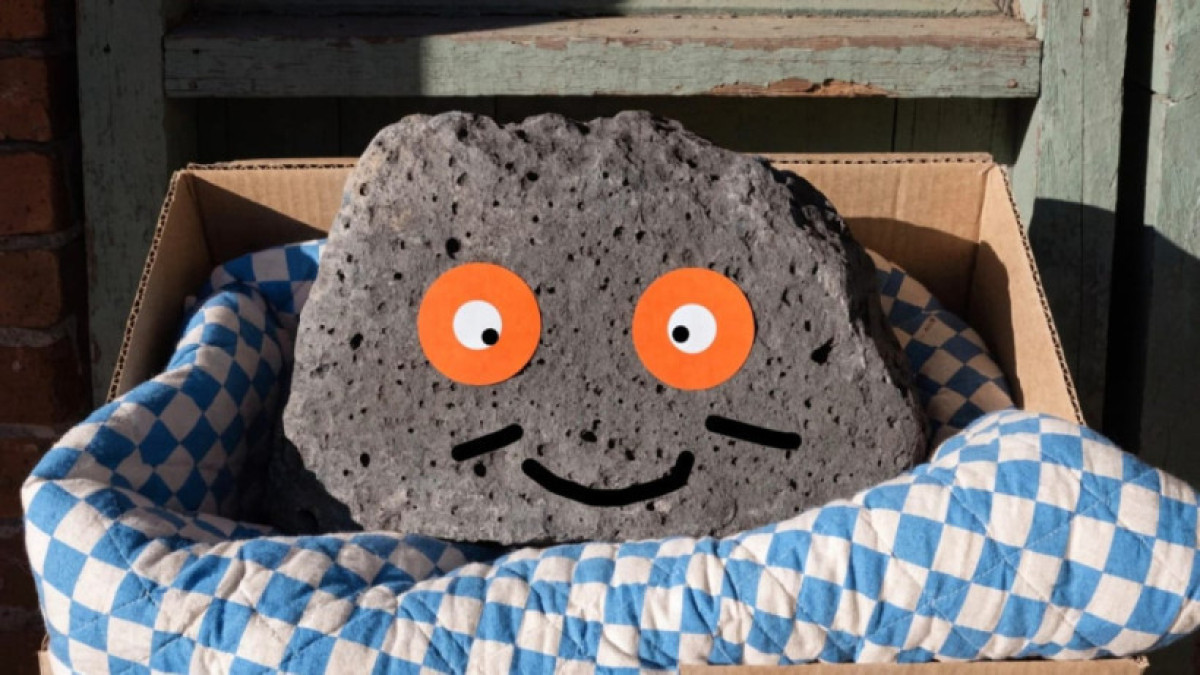
In 1975, advertising executive Gary Dahlcame up with the idea of a “Pet Rock.” He packaged smooth beach rocks in custom boxes with straw and ventilation holes, marketing them as low-maintenance pets.
In the first few months, over 1.5 million units were sold at about $4 each. By various estimates, revenue exceeded $6 million, and sales eventually reached nearly 2 million units.
This case is still considered a classic of viral marketing.
A Million-Pixel Website
Another legendary example is The Million Dollar Homepage.
In 2005, British student Alex Tew decided to pay for his university tuition in an unusual way: he created a webpage consisting of one million pixels and began selling each pixel for $1 as advertising space.
The idea went viral instantly. In just 138 days, the entire space was sold out. The total gross income exceeded $1 million.
The Blanket with Sleeves
At first glance, the Snuggie seemed like nothing more than a punchline.
It is simply a blanket with holes for your arms, allowing you to watch TV, read, or drink tea without leaving your warmth.
The product was mocked for a long time on talk shows and social media, but that ridicule is exactly what made it viral. As a result, sales exceeded 30 million units, and revenue surpassed $500 million.
This is one of the best examples of how a meme can become a business model.
Rock-Concert Style Water
A modern example is Liquid Death.
This startup decided to sell ordinary water, but instead of the usual plastic bottles, they used aluminum cans with aggressive, heavy-metal-inspired designs.
At first, the idea seemed bizarre: water styled to look like beer or an energy drink. However, the brand leaned into culture, visual aesthetics, and viral advertising.
As a result, the company grew into one of the fastest-growing beverage brands, with a valuation in the hundreds of millions of dollars.
Why It Works
The main takeaway from these stories is that profit isn’t always born from "smart" technology.
Sometimes the market isn’t buying a product, but an emotion, a story, or a reason to talk. People pay for novelty, humor, convenience, or the feeling of belonging to a trend.
The most important thought for entrepreneurs: not every strange idea is stupid
If a product evokes a strong emotion, is easy to explain, and spreads quickly through word-of-mouth, it has a chance to go viral.
Sometimes, a million isn't brought in by a complex startup, but by a very precise understanding of human psychology.
