


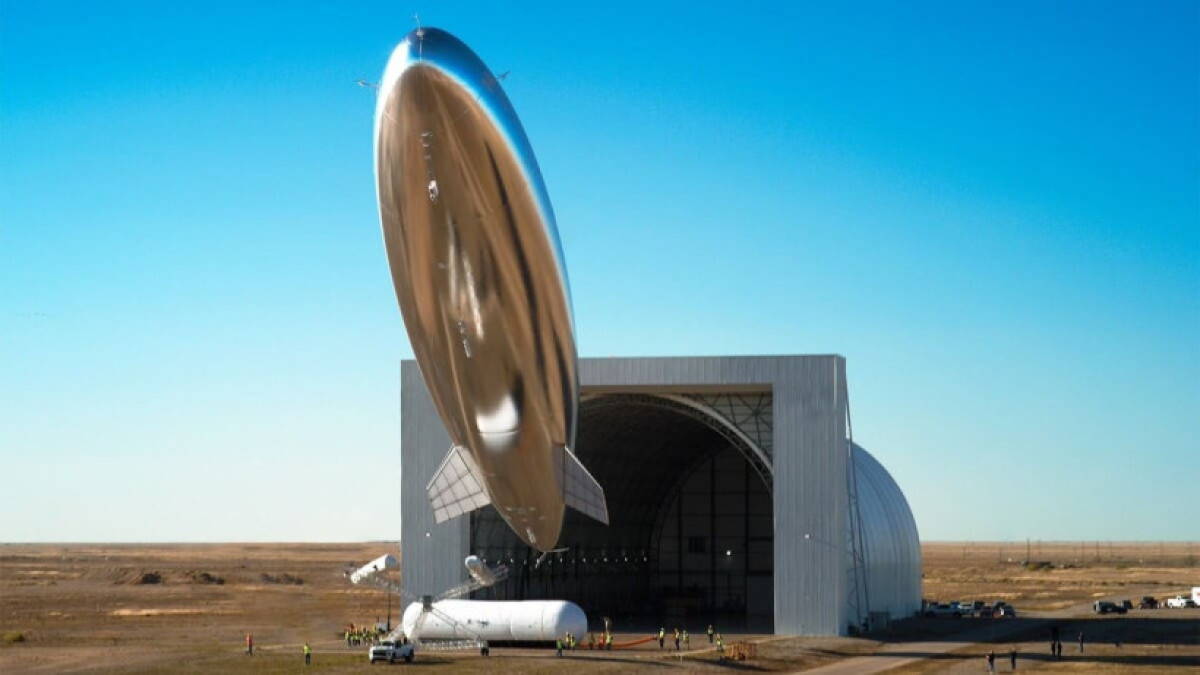
Sceye’s airship, the solar-powered SE2 high-altitude platform system (HAPS), has successfully completed a 12-day mission during which it flew at altitudes higher than 52,000 ft, El.kz reports citing Interesting Engineering.
The stratospheric airship startup flew SE2 on a 6,400-mile journey from New Mexico to the coast of Brazil. It says the test flight takes it a step closer to commercially deploying its vessel for telecommunications and environmental monitoring.
The company’s SceyeCELL airborne cellular network antenna provides high-speed connectivity from the stratosphere for emergency and disaster response scenarios.
Sceye’s 12-day Endurance Program flight
SE2 set off on its ‘Endurance Program’ test flight on March 25. The airship spent more than 88 hours flying over several selected locations before finalizing its flight on April 6 with a planned and controlled flight termination into international waters off the coast of Brazil.
According to a press statement, Sceye’s airships are designed to stay aloft for months or even years at a time. The 270-ft-long SE2 has solar cells on its upper side that generate power to charge lithium-sulfur batteries. These 425-Wh/kg batteries provide power for an electrically driven tail-mounted propeller.
During its 12-day journey, SE2 completed one full day-night diurnal cycle over New Mexico and three consecutive diurnals off the Brazilian coast. Sceye claimed that it now has all the data its needs to advance to months-long flights.
“This is the defining step toward unlocking the stratosphere as a new layer of infrastructure,” said Mikkel Vestergaard Frandsen, founder and CEO of Sceye. “Endurance is what makes this possible. The ability to remain over an area for extended periods enables persistent connectivity and real-time monitoring where traditional networks and existing technologies fall short.”
Frandsen also noted that the company’s technology will help to extend the reach of existing networks globally. This could help to connect billions of people, providing critical, actionable insight during natural disasters.
