

The National Academy of Sciences of Kazakhstan under the President of the Republic of Kazakhstan has announced the expansion of its membership. The decision was adopted at the Academy’s General Assembly on 18 August 2026, with 4 leading experts from different fields of science elected as new members.
The new members represent a broad international geographic and disciplinary profile. The elected scientists come from Türkiye, Morocco, China and the United Kingdom, each representing a distinct area of internationally recognised expertise.
Medicine and nuclear technologies
The first on the list is Turkish Academy of Sciences (TÜBA) President, Professor Dr. Muzaffer Şeker. His research focuses on morphometric studies of blood vessels, bones and neuroanatomical structures, including fetal anatomy.
Morocco is represented by Najat Mokhtar, IAEA Deputy Director General . Her areas of expertise include endocrinology, metabolic disorders and clinical nutrition, as well as the application of nuclear and isotope technologies in medicine.
AI and wheat genetics
Among the new members, the most prominent name is Kai-Fu Lee, who also serves as an external adviser to the President of Kazakhstan. He is one of the world’s leading experts in artificial intelligence, speech recognition and computational linguistics.
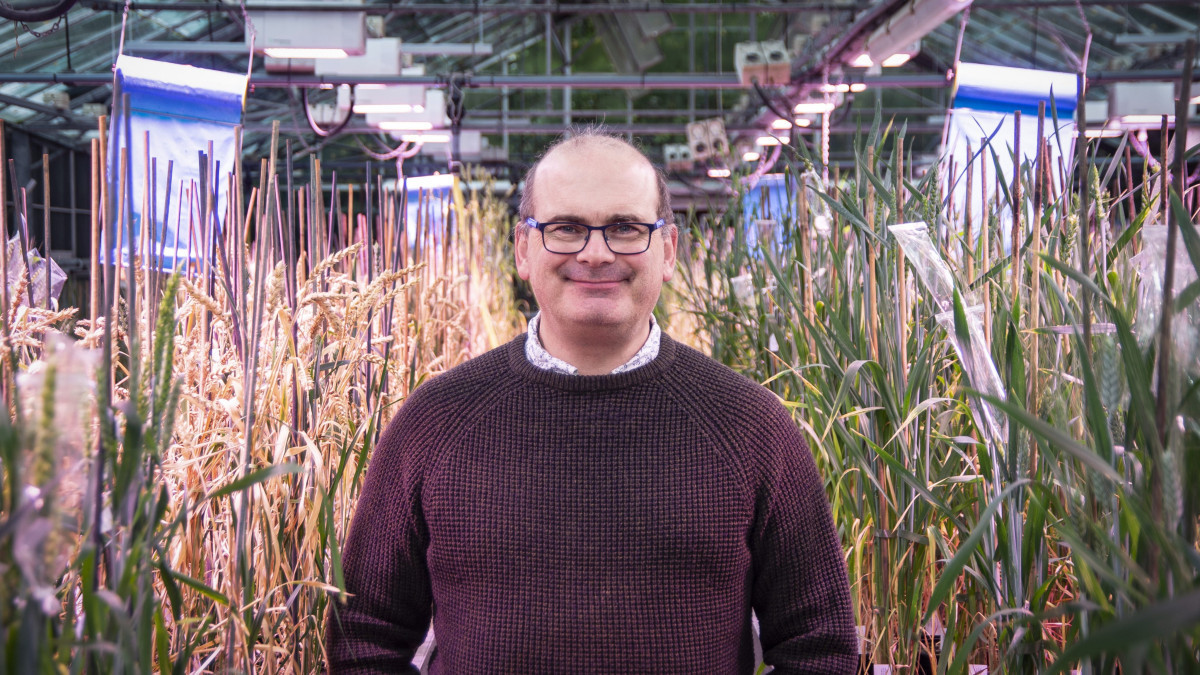
The list is completed by British scientist Simon Griffiths, Head of the Wheat Genetics and Pre-Breeding Group at the John Innes Centre. He coordinates key genetic and breeding research on cereal crops in the United Kingdom.
Rationale behind the decision
The Academy has explained the decision as part of its efforts to strengthen international scientific cooperation and integrate Kazakhstan’s research and innovation ecosystem into the global scientific community. According to the organisation, the initiative is intended to accelerate the exchange of advanced knowledge and technologies with leading research institutions worldwide.
The Academy also stated that it intends to further expand its international membership while promoting joint research across multiple scientific fields. Previous rounds of elections have already resulted in the launch of collaborative research projects, and the Academy expects the latest appointments to generate similar outcomes.
