

Amendments to Kazakhstan’s road rules will enter into force from November,20. The changes will affect parking with the engine running, speed limits for buses and trucks, as well as regulations governing electric bicycles, electric scooters and autonomous vehicles. In this article El.kz reviews the key changes and explains their practical implications.
What Will Change for Drivers Warming Up Their Vehicles
The general prohibition on parking with the engine running in built-up areas where this causes inconvenience to residents has been removed from the Traffic Rules. During the winter months, this provision had often been a source of disputes between neighbours and drivers warming up their vehicles.
A separate restriction on parking with the engine running remains in place for residential areas.
When Will Trucks and Buses Be Allowed to Travel at Higher Speeds?
Within built-up areas, the standard speed limit for trucks and buses is 50 km/h. Vehicles will be permitted to exceed this limit on road sections where traffic signs indicate a higher permitted speed. In the absence of such signage, the standard speed limit will apply.
The maximum permitted speed for trucks and buses on such road sections will be 90 km/h. Where a traffic sign specifies a lower speed limit, drivers must comply with the indicated restriction.
Which Electric Bicycles Will Be Classified as Mopeds?
The reference to an engine will be removed from the definition of a bicycle. Electric bicycles whose technical specifications meet the criteria for mopeds will be classified accordingly. The maximum design speed for mopeds is 50 km/h.
Vehicles classified as mopeds will be subject to mandatory registration and insurance requirements. They may be operated by holders of a Category A1 driving licence. Drivers holding a Category A or Category B licence will not be required to obtain an additional licence category.
Where Will Electric Scooters Be Permitted to Operate?
The prohibition on riding electric scooters on pavements and pedestrian paths has been in effect since August, 25. The November amendments formally incorporate this requirement into the Traffic Rules.
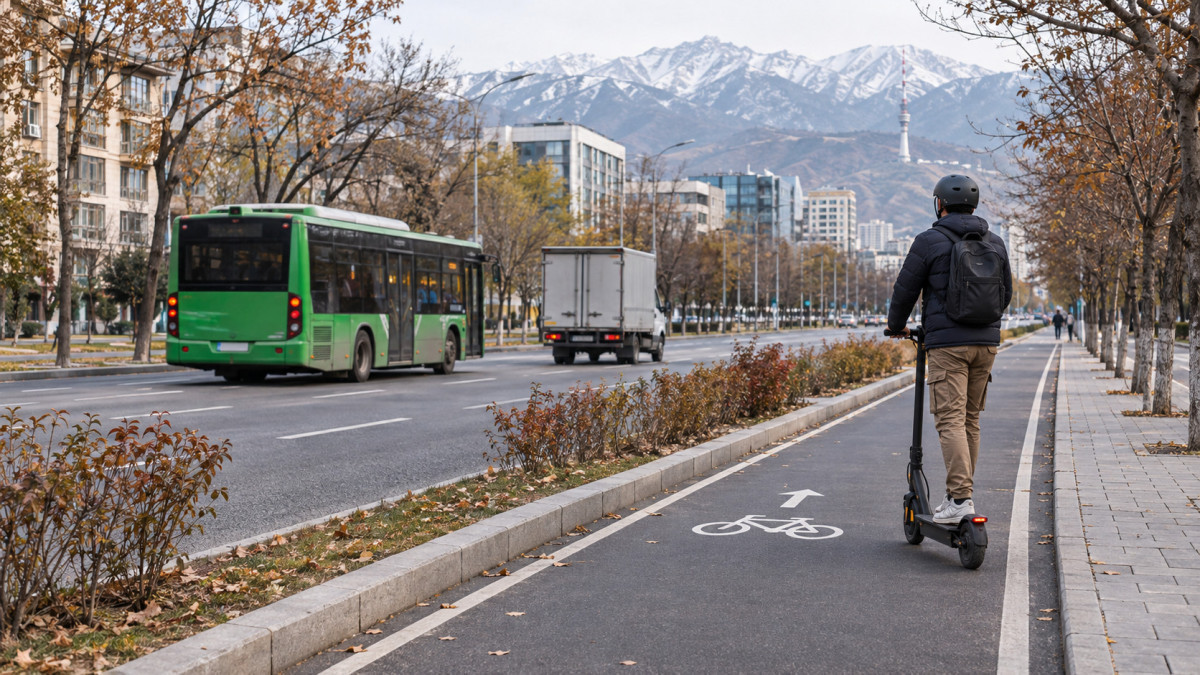
Where a dedicated cycle path or cycle lane is available, electric scooter users must use it. Where neither is available, the rules permit them to travel along the right-hand edge of the carriageway or on the road shoulder.
Electric scooters may be operated on the carriageway only by persons aged 18 or over who hold a valid driving licence and wear a protective helmet. At pedestrian crossings, users must dismount and walk alongside their scooters.
How Will the Operation of Autonomous Vehicles Be Regulated?
Autonomous vehicles will be incorporated into the definition of a motor vehicle. A separate procedure will govern their use on public roads, and the Traffic Rules will establish specific obligations for remote operators.
In the event that an autonomous vehicle is involved in a road traffic accident, the remote operator must notify the police. If there are injured persons, the operator is also required to call emergency medical services.
