

According to the 2026 Global Peace Index (GPI) data, global peacefulness has continued to decline for the 12th consecutive year. The global average score deteriorated by 0.7% over the past year, with declines recorded in 15 of the last 18 years. As reported by Energyprom.kz, the situation worsened in 99 countries and improved in 62 out of the 163 sovereign states and territories included in the ranking; 119 countries are currently less peaceful than they were in 2008.
The Index is calculated annually by the Institute for Economics & Peace (IEP). The 2026 edition marks the 20th anniversary of the report. The methodology utilizes 23 qualitative and quantitative indicators grouped into three thematic domains: Societal Safety and Security, Ongoing Domestic and International Conflict, and the Degree of Militarisation. Internal factors account for 60% of the total score, while external factors comprise 40%. A lower aggregate score indicates a higher level of peacefulness.
The publication notes that the proliferation of armed conflicts remains a primary driver of the global downturn: 61 conflicts were recorded in 2024 - the highest number since the Second World War. The IEP estimated the economic impact of violence in 2025 at $21.8 trillion, representing 10.5% of the global Gross Domestic Product (GDP).
Iceland retains its position at the top of the ranking for the 19th consecutive year, followed by New Zealand and Switzerland. Russia concludes the list in 163rd place - its lowest ranking in the history of the index alongside Sudan, the Democratic Republic of the Congo, Ukraine, and Israel.
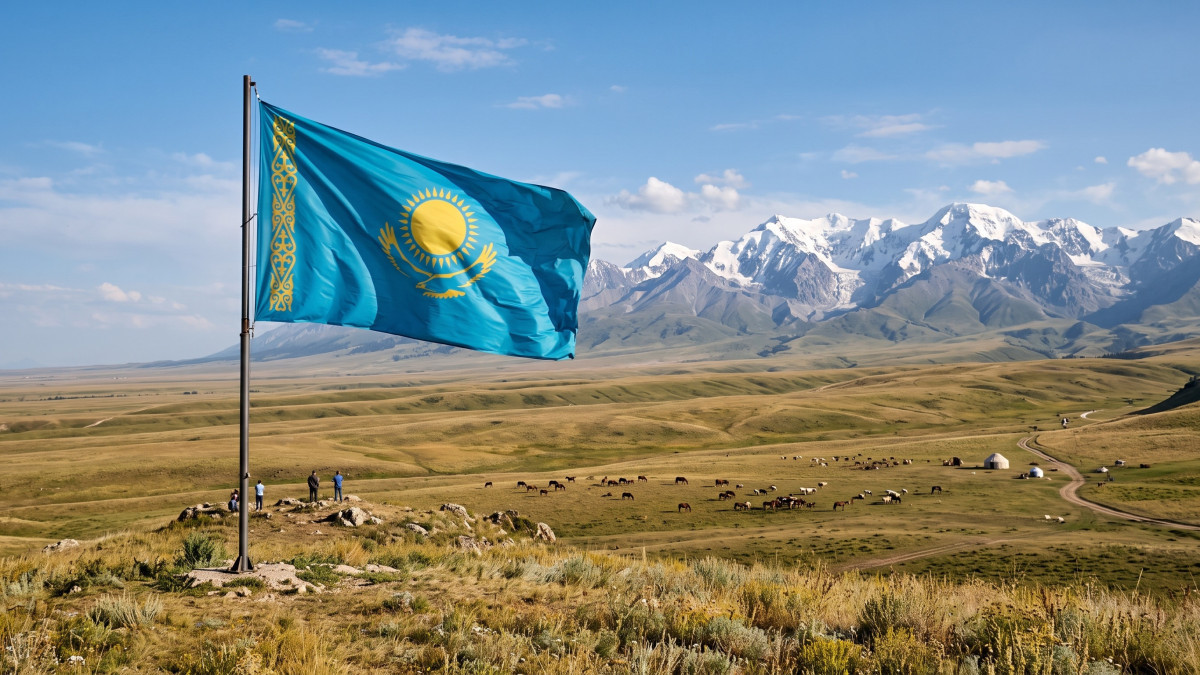
According to Energyprom.kz, Kazakhstan ranked 44th this year with a score of 1.771. This represents the country’s best performance since 2008 and the second consecutive year of record-breaking improvement (following scores of 1.867 in 2024 and 1.791 in 2025). Within Central Asia, only Uzbekistan outperformed Kazakhstan (37th place, 1.726 points), while Tajikistan, Kyrgyzstan, and Turkmenistan were positioned lower. Notably, only Kazakhstan and Uzbekistan managed to improve their scores over the past year; conversely, the GPI scores for the other three regional states increased, indicating a deterioration in peacefulness.
The report emphasizes that Eastern Europe and Central Asia is the only one of the eight GPI regions where average peacefulness increased this year, while the situation deteriorated in the remaining seven regions.
