How AI is transforming fashion industry worldwide and in Kazakhstan

EL.KZ Информационно-познавательный портал
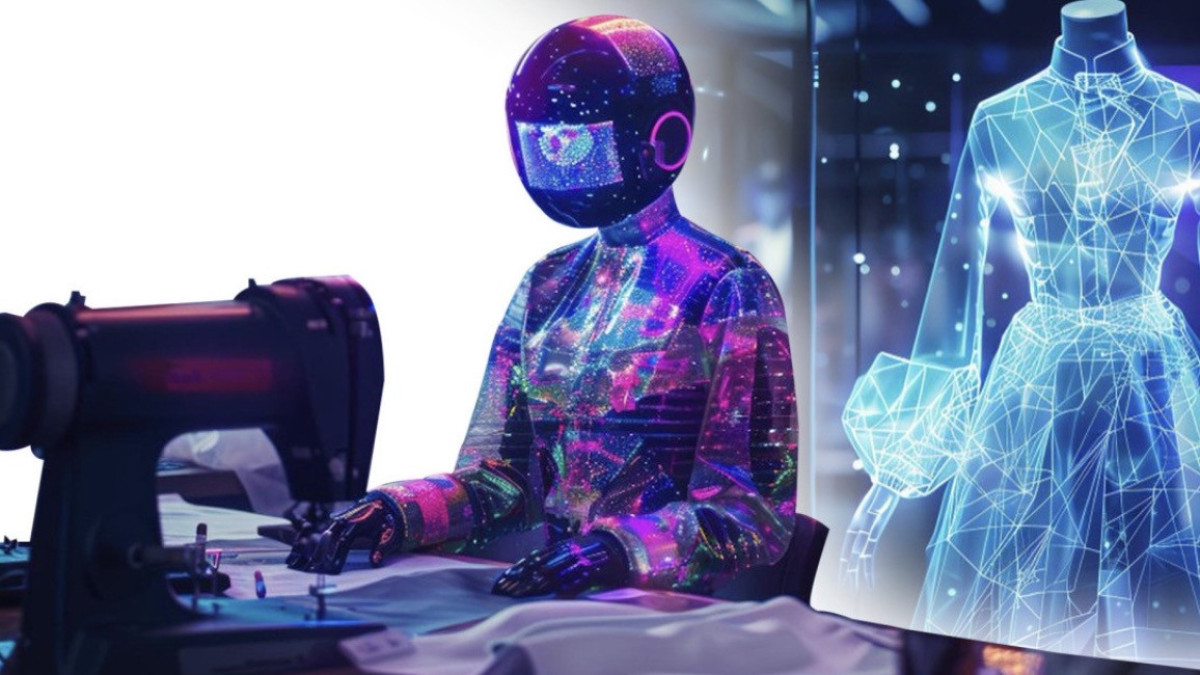
Artificial intelligence is making its way into every sector and the world of fashion is no exception. From design generation, virtual try-ons to trend forecasting, AI seems to answers to many of the industry’s challenges. In this article, El.kz explains how AI is transforming global fashion industry.
AI enhances fashion prototyping
Traditional fashion design methods encompass manual pattern-making, hand sketching as well as require significant time and deep inspiration.
AI is increasingly integrated into various design tasks, including creating sketches, patterns, and 3D models based on text descriptions or images.
For example, Tommy Hilfiger teamed up with IBM and the Fashion Institute of Technology to create designs based on archival images fully generated by AI.
In Hong Kong, Calvin Wong introduced AiDA, a system that generates technical drawings from sketches and color ideas, helping designers maintain creative control.
AiDA was used at the Fashion X AI event, where over 80 silhouettes outfits were created.
AI's role as a co-creator
AI is no longer just a tool - it can act as a full-fledged designer. In 2023, DeepVogue AI by DeepBlue Technology took second place at the China Fashion Design Innovation Conference, outperforming designers from leading fashion schools.
Virtual influencers such as Lil Miquela collaborate with Prada and other brands, showcasing AI-generated clothing in the digital world. This opens the door to the metaverse in fashion: digital garments as NFTs, without physical production.
Fashion shows featuring AI-generated clothing
One of the most striking examples is AI Fashion Week. The first event took place in New York in April 2023: over 350 works created using Midjourney and Stable Diffusion were displayed across 24 digital screens, with 50 collections selected through public voting. The second event was held in Milan in November 2023. Moncler used AI for its Genius Fall/Winter 2023 collection.
Kazakhstan already has its own AI designer Aigul Mussabayeva, who combines Kazakh traditions, modern technology, and fashion. Geotechnical Engineer, PhD candidate, she entered the art world through science, using AI as a co-author to create visual imagery with deep cultural meaning.
Aigul reinterprets ethnic elements in a contemporary way, creating the image of the 21st-century Kazakh woman. Today, Aigul is developing the AIEL project, where AI allows any woman to see herself in an ethnic look, proving that technology does not replace culture but gives it a new, living voice.
Examples of AI in fashion shows: virtual try-on and personalization
AI is making shopping more convenient: virtual try-ons allow users to “try on” clothing on an avatar that resembles them. Tools such as Kling AI, OOTDiffusion, and Photo AI generate realistic images with over 40 models representing different body types. Brands like ASOS, Nike, and Google Shopping use these technologies to reduce return rates.
Personalization: AI-powered recommendations
AI predicts trends by analyzing social media, runway shows, and sales data. It also helps optimize production chains, minimize waste, reduce overproduction, and lower environmental impact.
AI does not replace designers, it enhances them. It accelerates creativity, makes fashion more accessible, and supports sustainability.
The main idea behind AI-human collaboration is that it's a symbiotic relationship. In 2026, creatives say we'll see virtual fashion shows and personalized clothing. But it is important to remember: AI is a tool, and true fashion is born from human inspiration.

El recommends 
