

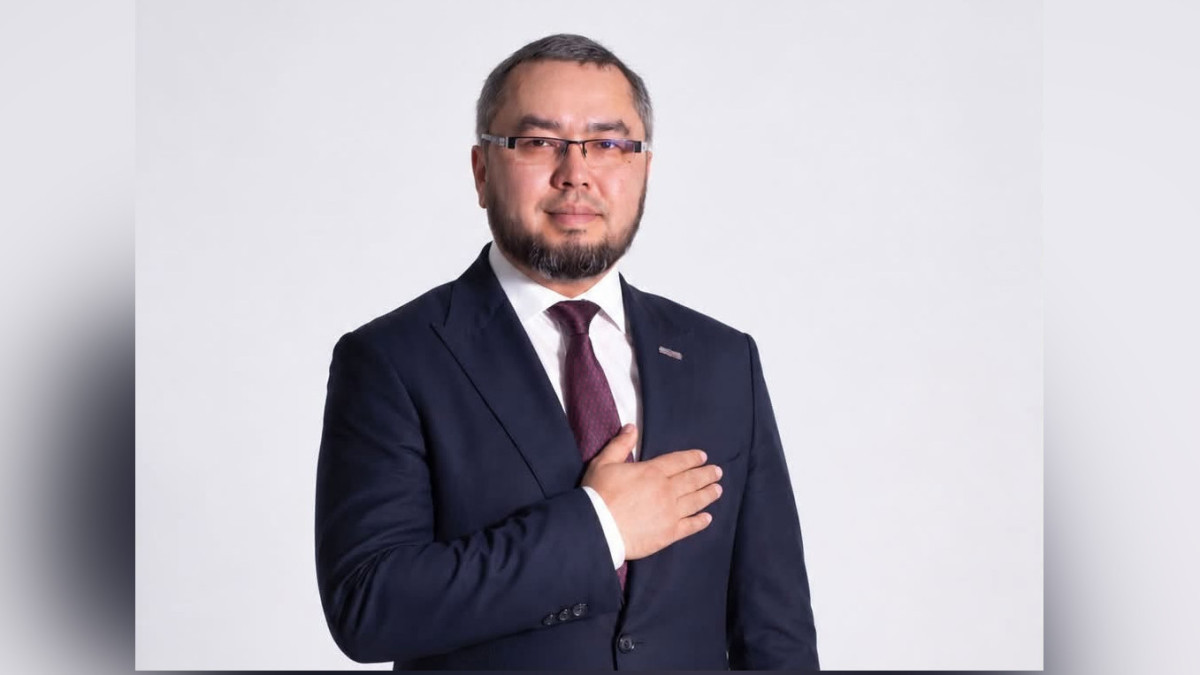
Sherzod Pulatov, Chairman of the Uzbek Ethnocultural Center public association in Astana, has spoken about behavioral culture, respect for elders, and the boundaries of personal space in society. He shared his views on his Facebook page, El.kz reports.
“Culture is reflected in simple things — in the way we speak, greet one another, and conduct ourselves around other people,” Sherzod Pulatov wrote.
He agreed with public figure Zhanarbek Ashimzhan, who had spoken about society’s growing demand for the upbringing of young people, behavioral culture, respect for elders, and the preservation of traditions.
“There is a sense of concern: are we gradually losing what has constituted the moral foundation of our society for centuries?” Pulatov noted.
According to him, these issues are particularly evident in everyday life today. He also drew attention to President Kassym-Jomart Tokayev’s remarks concerning the culture of greeting and the overall level of cultural standards in society.
“Recently, we have seen that some people even engage in inappropriate behavior when greeting others,” the author quoted the Head of State as saying. “To build a civilized state, the cultural standards of the people must first and foremost be high.”
In his post, Sherzod Pulatov recalls the cultural environment in which he was raised. According to him, elders could hug and kiss a child, and such expressions were regarded as natural manifestations of care and affection.
At the same time, relationships between adults were characterized by a particular degree of restraint.
“Even married couples did not publicly show physical affection, intimacy especially kissing. It was not because there was no love between them. On the contrary, such feelings were considered part of the private space shared by two people and not something intended for public view. This was perceived as good manners, modesty, and inner culture. Therefore, I believe that demonstrative kissing on public transport, in a park, or at the entrance to a shopping center are not appropriate for public view,” he wrote.
At the same time, Pulatov does not advocate interference in people’s private lives. For him, the key issue is the distinction between private space and public places shared by different members of society:
“Here, Abai’s words are particularly relevant: true shame is not fear of other people’s opinions, but an inner moral feeling, one’s conscience, and the ability to assess one’s own actions.
At the same time, I want to make myself clear. I do not in any way intend to interfere in people’s private lives. However, it is important to remember that there is also public space, where we are alongside children, older people, families, and people of different views and traditions. In such settings, personal freedom, in my view, should be balanced with a sense of proportion and respect for those around us.”
In this context, the issue of behavior goes beyond the reactions of those present. It concerns an individual’s own understanding of what is appropriate and respect for the people around them. Pulatov acknowledges that such situations may be perceived as minor matters.
“Some may say: these are trivial things. Perhaps. But it is precisely from such seemingly minor things that the culture of society is built. To me, good manners are, above all, a sense of proportion. Freedom and ethics are not contradictory. True culture is reflected in the ability to exercise one’s freedom while remaining mindful of and respectful toward the person beside you,” he concluded.
