


Hydrogen fuel cells are still a niche market, as high costs and a lack of fueling stations keep them from becoming mainstream for passenger cars, El.kz citesInteresting Engineering.
But Changan’s EV brand, Deepal, is reportedly positioning itself as a key player in the hydrogen passenger vehicle market.
The Chinese automaker is focusing on developing hydrogen-powered passenger cars rather than relying on battery-electric technology.
As per a report, Deepal has moved beyond the experimental stage by commercializing its first-generation hydrogen fuel cell system.
According to General Manager Yu Cheng,this technology is already in use and is outperforming current industry standards by more than 10%.
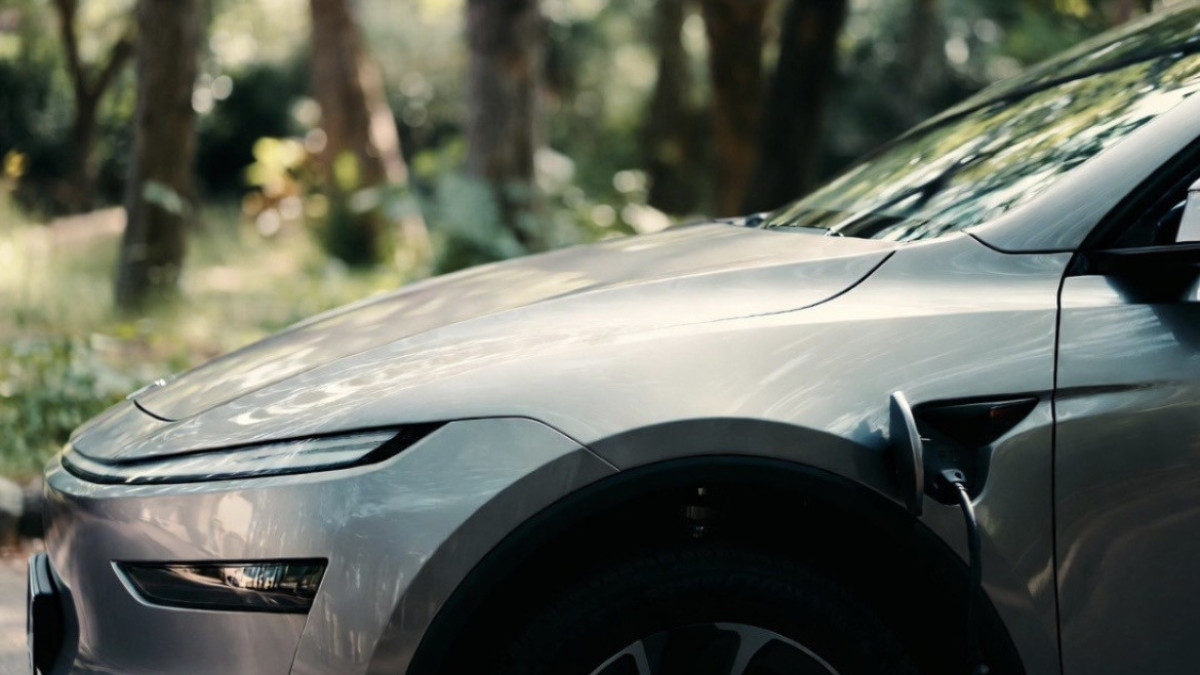
By putting this high-performance tech into the SL03 sedan, Deepal is showing that hydrogen works for regular cars, not just big trucks and buses.
Reportedly, Changan is part of a daringly small club testing this tech in a sleek passenger sedan. Currently, most of the industry treats hydrogen as a distant future project or limits it to heavy trucks.
More development happening
Deepal is expected to release its hydrogen-powered passenger car in 2027.
“This would represent a next-generation product following the SL03 hydrogen variant and could reflect improvements in both system efficiency and cost structure,” Car News China stated.
If the first generation was a proof of concept, the second generation is a play for the masses.
Reportedly, Changan is currently developing its second-generation fuel cell system, aiming for industry-leading performance and efficiency.
A major priority for this new version is cost reduction, specifically targeting the fuel cell stack and storage systems, which are typically the most expensive components of hydrogen vehicles.
Detailed specs remain under wraps, but Changan claims the system’s performance will outpace all current competitors.
Advantage of hydrogen
The 2027 launch date aligns with industry predictions that hydrogen will become more practical as costs decline and fueling stations expand.
While China’s hydrogen fleet has grown to 30,000 vehicles and 70% of components are now locally made, the technology is currently focused on industrial-scale rather than widespread use.
Currently, most hydrogen vehicles are commercial models that rely on fixed routes and central stations.
For passenger cars, the biggest hurdle is the refueling desert — a serious lack of public hydrogen stations that makes everyday driving difficult.
As infrastructure begins to catch up with engineering, future cars could arrive as more advanced refueling stations are deployed.
China has successfully deployed hydrogen in commercial trucks and buses, but automakers like Geely are still just experimenting with hydrogen as one of many options rather than fully committing to it as a replacement for current tech.
Meanwhile, China continues to back hydrogen through subsidies and regional pilots, though battery-electric vehicles remain the government’s primary focus.
Changan is also developing hydrogentechnology as a secondary, parallel track rather than a replacement for its electric vehicle lineup.
