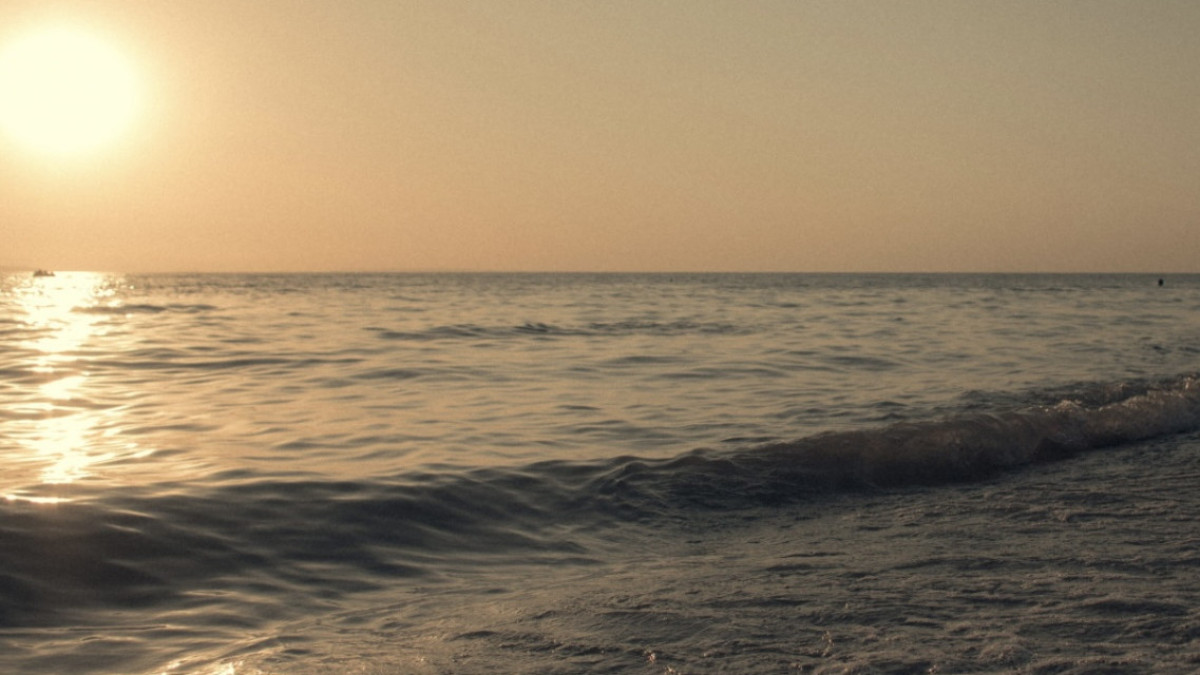
Caspian Sea drops below historic minimum level

EL.KZ Информационно-познавательный портал
The level of the Caspian Sea has fallen below the historical minimum recorded since the start of instrumental observations, now measuring less than minus 29 meters according to the Baltic height system, El.kz reports citing aze.media.
According to the Volga-Caspian branch of the Caspian Fisheries Research Institute (KaspNIRKh), the decline is most evident in the shallow northern part of the sea, which borders Russia and Kazakhstan.
The sea level has been gradually falling since the mid-1990s, with a particularly sharp decline of nearly 0.8 meters since 2020. This trend correlates with a drop in the annual inflow of the Volga River—the sea’s primary source of freshwater. The reduction in freshwater inflow continues.
“Currently, the Caspian Sea level has fallen below the lowest point ever recorded during the entire period of instrumental monitoring, dropping to below minus 29 meters based on the Baltic height system. This drop is most visible in the shallow northern part, where the sea borders Russia and Kazakhstan. Here, the receding sea exposes large areas of seabed, which are among the most densely populated by marine organisms. The shrinking water area negatively affects these ecosystems,” the institute noted.
Experts emphasized that the drop in sea level is primarily due to decreased river inflows, especially from the Volga, which accounts for 80% of the river water flowing into the Caspian and approximately 64% of the total water input. Over the past four years, the Volga’s annual discharge has remained low, between 210 and 232 cubic kilometers—significantly below the long-term average of around 250 cubic kilometers.
They also pointed out that rising greenhouse gas concentrations are causing higher atmospheric temperatures, which in turn accelerate evaporation from both the sea and its feeding rivers. Additionally, increasing water consumption for irrigation, industry, and public utilities is further depleting river inflows to the Caspian.

El recommends 
