Alpine divorce: Why people are being abandoned by their partners
Алима Муслиманова Журналист El.kz
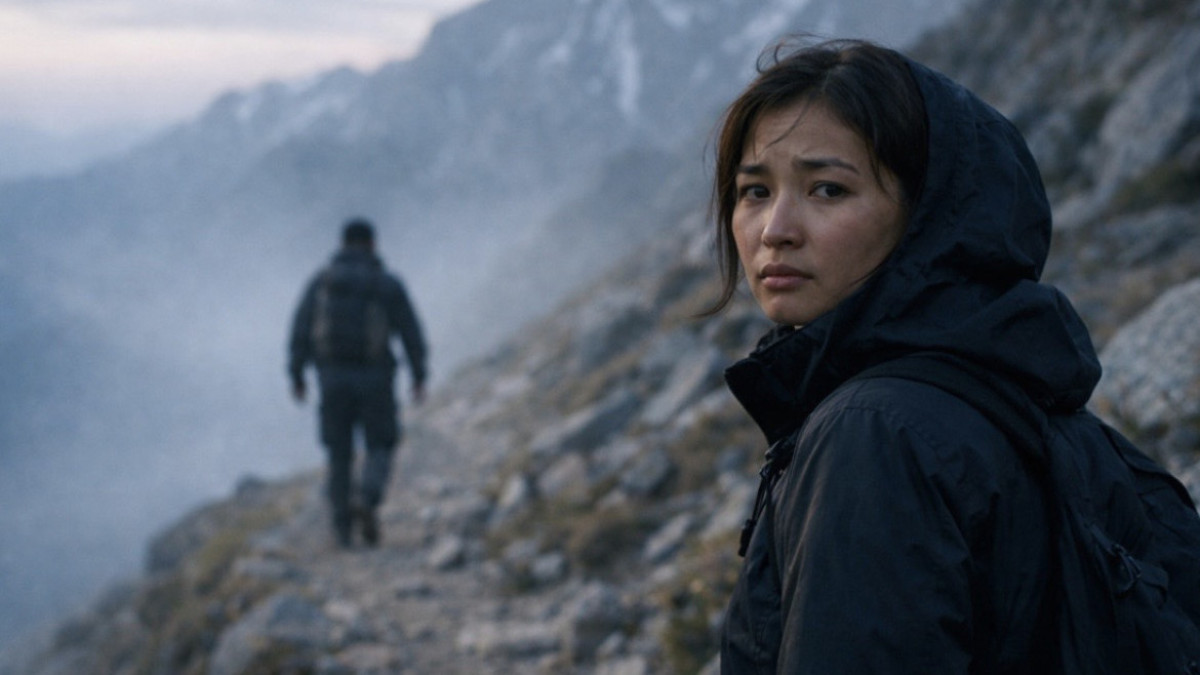
An alpine divorce is a viral term describing the abandonment of a partner during a dangerous hike.
In early 2026, this term is going viral on social media. An alpine divorce is when a person, nearly always a man, brings their partner on a hike to a remote location with plans to abandon her in order to end the relationship.
The term “alpine divorce” comes from a 19th century short story by Scottish writer, Robert Barr. In the story a husband and wife go hiking in the Swiss Alps.
Why the topic suddenly went viral
On social media, women describe alpine divorce as going on a hike, climb or other outdoor adventure with a male partner, only to be abandoned or left behind – perhaps he went too fast and neglected to wait, or a fight on the trail resulted in him storming off. Breakups have quickly followed, the Guardian reports.
In everyday life, a person can also abandon you in a difficult moment, but on a trail, it’s visible immediately, without the makeup of social graces or legends of reliability.
When the man leaves and the woman is left alone
The Guardian cited an example happened to woman in Zion national park. MJ and a new partner – he was not exactly her boyfriend, and the pair were not exclusive – traveled from Los Angeles to Utah for an adventure getaway. MJ, who is 38 and works in PR, was looking forward to exploring Zion’s striking scenery; its vast sandstone canyon and pristine wading trails were on the list. But on the morning of their big hike, MJ was not feeling well. She could not shake the feeling that something was “off”; indeed, MJ would learn on this trip that her partner was seeing other women.
When she caught up at the top of the mountain, they took a picture together. Then her partner hiked down the mountain with a woman he had met on the way up, leaving MJ to finish by herself. They broke up shortly after that trip.
Why this resonates with so many
This isn’t just about hiking. Psychologists and commentators analyzing this phenomenon link it to a deficit of empathy, poor communication, and the blunt, persistent logic of: “If I can do it, then you must be able to, too.” In this framework, the partner is not seen as a companion but as a "load"something that becomes an annoyance if it slows the pace.
This is exactly why the discussion has moved far beyond hiking forums. Many see “alpine divorce” as a familiar relationship model: you are punished with coldness, you are left alone at your most vulnerable moment, and then you are made to feel guilty for not being “strong enough.” In the mountains, this cruelty simply becomes crystal clear, as if under a magnifying glass.
Why this matters for Kazakhstan
For Kazakhstan, this is not just a distant story from Western media. Mountain hikes, canyon trips, and walks along the challenging routes near Almaty and other regions have long been a part of urban life. Where there is a mountain culture, there is always the risk that someone will bring along a partner who is less experienced, or simply trusting and in a critical moment, prove to be a liability rather than a support. This is no longer about romance; it’s a matter of safety.
If a person seems caring in a normal setting but leaves you behind at high altitude while you’re gasping for air, freezing, losing strength, or feeling lost, the hike isn’t the problem. The mountains don’t "spoil" people. They simply reveal, very quickly, who is actually standing by your side.

El recommends 
