

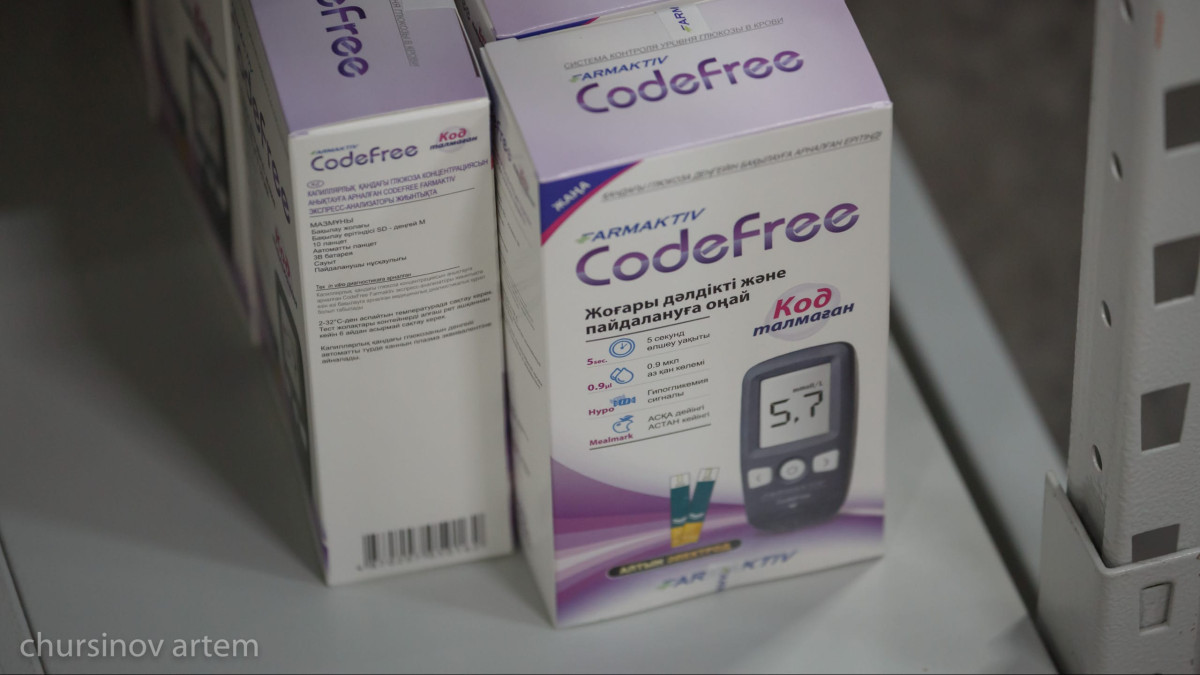
Over the past seven years, the Government of Kazakhstan has allocated approximately KZT 1.3 trillion to provide citizens with medicines free of charge. Around three million patients receive medicines funded by the state budget each year.
Timely initiation of treatment is particularly important for chronic conditions. Regular medication helps keep diseases under control and prevent complications, reducing the likelihood of patients requiring emergency hospitalisation
Funding Has More Than Tripled
Over the seven-year period, annual funding for the provision of free medicines increased more than threefold. At the beginning of this period, KZT 83 billion was allocated annually for this purpose.
Last year, the amount reached KZT 272.9 billion. During the same period, the number of beneficiaries receiving medicines free of charge increased by nearly one million.
For the current year, the total procurement plan for medicines and medical devices has been approved at KZT 584.1 billion, representing an increase of almost 10% compared with the previous year.
Changes to Procurement Practices
At the same time, the Government is restructuring the procurement system. Prices have been reduced for 66 domestically produced medicines, generating budget savings of more than KZT 10 billion.
Direct procurement from Kazakhstani and international manufacturers is being expanded. This year, 404 items of medicines and medical devices are being procured under direct contracts, more than twice the number recorded a year earlier.
Some medicines are procured through international organisations. Under arrangements involving the United Nations Development Programme (UNDP), the United Nations Children’s Fund (UNICEF) and international tuberculosis control mechanisms, procurement of 32 medicine items is planned for this year, nine more than in the previous year.
These measures are intended to ensure that every patient eligible for free medicines receives them in a timely manner, regardless of their place of residence.
